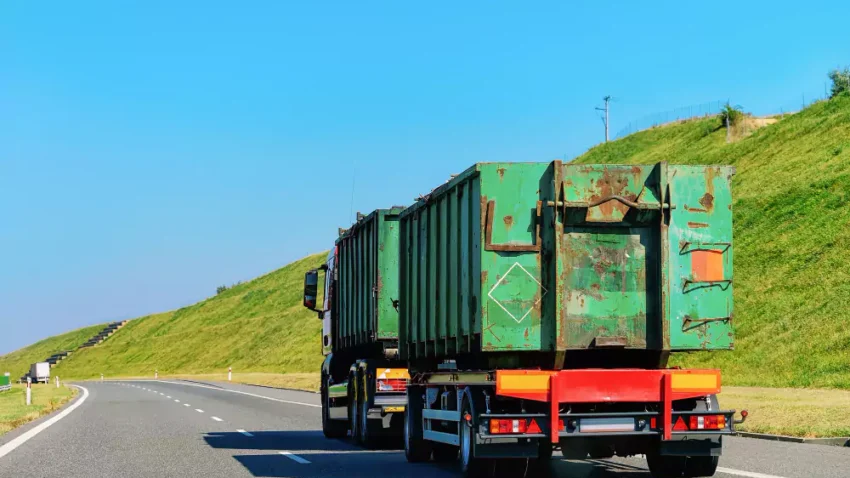
In the fast-paced world of logistics, managing road freight transport is essential for businesses to meet the ever-growing demand for efficient, cost-effective, and environmentally responsible transportation. Whether you’re handling package delivery, intermodal freight transport, or large goods vehicles (LGVs), effective road transport management plays a crucial role in your overall supply chain strategy. In this guide, we’ll explore key aspects of road freight management, including the environmental impact, technology, and future trends that are shaping the industry.
What Is Road Freight Transport Management?
Road freight transport management refers to the planning, execution, and monitoring of transportation operations using road vehicles. This can involve a wide variety of vehicles, from vans and light trucks to flatbed trucks and semi-trailers. A key aspect of managing road freight is ensuring that goods are transported efficiently, cost-effectively, and on time. Successful management involves a mix of strategic planning, operational efficiency, and real-time decision-making.
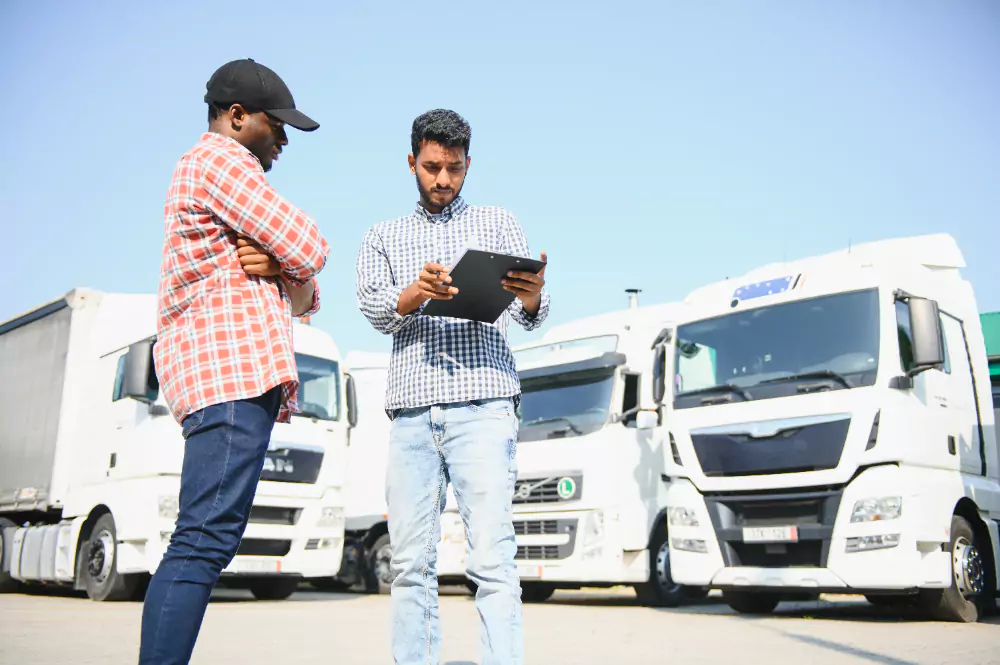
Key Components of Road Freight Transport Management
Effective road freight management encompasses several components, each contributing to the smooth running of the transport system. These components include:
1. Fleet Management
Fleet management is crucial in maintaining and monitoring the performance of vehicles such as trucks and vans. This includes everything from regular maintenance (predictive maintenance) to optimising fuel efficiency. Using telematics and GPS tracking systems, fleet managers can track vehicles in real-time, optimise routing, and manage maintenance schedules.
2. Logistics and Supply Chain Coordination
Logistics involves the detailed coordination of moving goods from one place to another. Road freight is an essential link in the supply chain, helping businesses move raw materials, components, and finished products. Managing these logistics involves inventory control, packaging and labelling, and ensuring that goods reach their destination via the most efficient route.
3. Freight Rates and Cost Control
Freight rates are an essential consideration in road transport management. Understanding how to manage these rates effectively can significantly impact business profitability. Costs can fluctuate due to factors like fuel prices, route inefficiencies, and regulatory compliance. Freight forwarders help businesses manage these variables, ensuring the most cost-effective transport options are selected.
4. Regulatory Compliance
The transport industry is highly regulated, with strict rules regarding road safety, emissions control, and driver qualifications. One key regulation is the Driver CPC (Certificate of Professional Competence), which ensures that drivers are trained to meet the latest safety and environmental standards. Road transport companies must ensure that they adhere to these regulations to avoid penalties and ensure road safety.
The Environmental Impact of Road Freight
The road freight industry has significant environmental implications, particularly regarding air pollution, greenhouse gas emissions, and climate change. With increasing demand for transportation services, the impact on the environment has become a growing concern for businesses and consumers alike.
1. Greenhouse Gas Emissions
Road freight is a major contributor to global greenhouse gas emissions, particularly carbon dioxide (CO2). Large goods vehicles, including heavy-duty trucks, are responsible for a significant portion of these emissions. Companies are now focusing on adopting sustainable practices to reduce their carbon footprint, including investing in electric trucks, optimising routes, and improving fuel efficiency.
2. Sustainable Transport Solutions
Sustainable transport is an emerging trend in the road freight industry. Electric vehicles (EVs) and electric trucks, for example, are gaining popularity as businesses seek to reduce their reliance on fossil fuels. Furthermore, strategies like intermodal freight transport, which combines different modes of transportation (e.g., trucks, trains, and ships), can help reduce the overall environmental impact by minimising road congestion and optimising transport routes.
3. Energy and the Environment
The push for sustainable energy and greener solutions has led to the development of environmentally friendly technologies in the transport sector. From solar-powered tracking systems to fuel-efficient engines and electric trucks, these innovations are helping to reduce the environmental footprint of road transport operations.
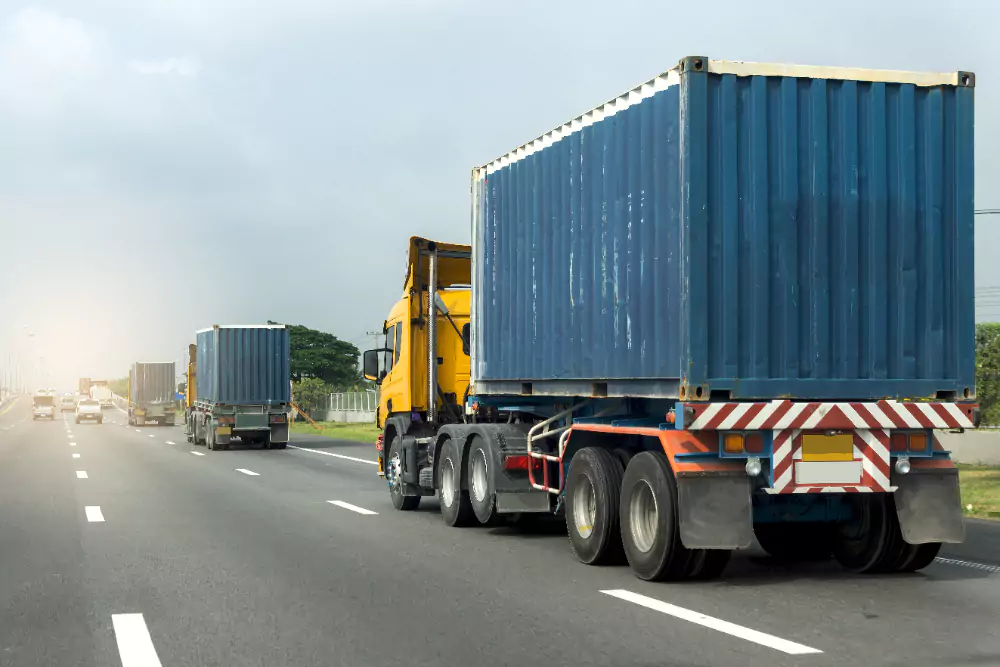
Advancements in Road Freight Transport Management
The integration of digital technology has revolutionised road freight management, offering new solutions for improving efficiency, safety, and sustainability.
1. Automation and Predictive Analytics
The rise of automation and predictive analytics has made a significant impact on road freight transport management. Using data and advanced algorithms, businesses can predict maintenance needs, optimise fleet performance, and anticipate potential disruptions in the supply chain. Predictive maintenance, for instance, helps reduce unexpected breakdowns by identifying potential issues before they occur, minimising downtime and improving fleet efficiency.
2. Telematics and GPS Tracking
Telematics and GPS tracking systems allow real-time monitoring of vehicle performance and location. These systems enable fleet managers to optimise routes, track delivery progress, and reduce idle time. With the help of real-time analytics, businesses can enhance decision-making and ensure that goods are delivered on time.
3. Smart Logistics and Supply Chain Management
The use of technology in logistics and supply chain management has led to smarter, more efficient operations. Innovations like radio-frequency identification (RFID) technology and warehouse management systems (WMS) have enhanced inventory control and tracking. These technologies provide accurate, up-to-the-minute data on the location and status of goods, improving the accuracy and reliability of freight transport.
The Future of Road Freight Transport
The future of road freight transport is closely linked to advancements in technology, sustainability efforts, and changes in global regulations. Here are some key trends shaping the future:
1. Electric and Autonomous Vehicles
Electric trucks and autonomous vehicles are expected to play a pivotal role in the future of road freight transport. With advancements in electric vehicle (EV) technology, businesses can expect to see a decrease in fuel costs and a reduction in harmful emissions. Additionally, autonomous trucks could improve safety, reduce labour costs, and increase efficiency by eliminating human error.
2. Regulatory Changes and Environmental Compliance
As concerns about climate change and environmental degradation continue to grow, the road transport industry will face stricter regulations regarding emissions and sustainability. Companies will need to invest in eco-friendly technologies, adopt green logistics practices, and ensure that they comply with evolving environmental standards to avoid regulatory penalties and maintain their competitive edge.
3. Smart Supply Chains
In the future, supply chains will become even more interconnected and intelligent. The use of artificial intelligence (AI) and machine learning (ML) to predict and automate decisions will create smarter, more resilient supply chains. From inventory control to route optimisation, these technologies will enhance the overall efficiency and sustainability of road freight transport.
Frequently Asked Questions (FAQs)
Q: What is road freight transport management?
A: Road freight transport management involves planning, executing, and monitoring transportation operations using road vehicles like trucks and vans, ensuring efficient, cost-effective, and timely delivery of goods.
Q: How does fleet management benefit road freight transport?
A: Fleet management helps maintain vehicle performance through regular maintenance, predictive maintenance, and real-time tracking using GPS and telematics, optimising routes and improving overall efficiency.
Q: What impact does road freight transport have on the environment?
A: Road freight transport contributes to air pollution, greenhouse gas emissions, and climate change. However, sustainable practices like adopting electric vehicles and optimising routes can reduce its environmental footprint.
Q: How can technology improve road freight management?
A: Technology, such as automation, predictive analytics, and telematics, helps optimise fleet performance, predict maintenance needs, and improve decision-making, leading to better efficiency and safety.
Q: What are the future trends in road freight transport?
A: Future trends include the rise of electric and autonomous vehicles, stricter environmental regulations, and smarter supply chains powered by AI and machine learning, improving sustainability and operational efficiency.
Final Words
Road freight transport management is a critical element of the logistics industry, playing a vital role in moving goods across the globe. With increasing pressures to reduce costs, improve efficiency, and mitigate environmental impacts, businesses must embrace new technologies and sustainable practices to remain competitive. By focusing on fleet management, regulatory compliance, and the integration of digital solutions like telematics and predictive analytics, companies can streamline operations, reduce costs, and enhance the sustainability of their road transport systems.
As the road freight industry evolves, businesses must continue to adapt to emerging trends and regulations. Whether through the adoption of electric trucks, predictive maintenance, or smarter logistics practices, the future of road freight transport is one that prioritises efficiency, sustainability, and innovation.