
What is the ADR Treaty and What Does It Regulate?
The ADR Treaty refers to the European Agreement concerning the International Carriage of Dangerous Goods by Road. This treaty is a comprehensive set of regulations developed to ensure the safe and secure transportation of dangerous goods and hazardous substances by road vehicles across European countries. It establishes a uniform legal framework that all contracting parties, including the United Kingdom and countries like the Czech Republic, must follow in accordance with international safety standards. The treaty is managed under the auspices of the United Nations Economic Commission and is published as official United Nations publications to guide safe carriage practices.
The ADR specifies detailed provisions that cover the classification, packaging, labelling, handling, and documentation of dangerous articles. It includes specific rules regarding containers, large packaging, and tanks used in the transport of hazardous materials. The treaty also defines requirements for the vehicle crew, their approval, and training to handle emergencies during road transport operations. The core purpose is to mitigate risks associated with the international carriage of explosives, toxic substances, and other dangerous substances, safeguarding people, property, and the environment.
The treaty includes multiple annexes, notably Annex A and Annex B, which detail the technical conditions for transport, including general provisions, special provisions, and applicable exemptions for certain goods or circumstances. It also outlines processes for resolving disputes between contracting parties. Beyond road traffic, the ADR framework aligns with complementary regulations for sea transport and other modes, creating an integrated approach to hazardous goods movement within and between European countries.
In summary, the ADR Treaty serves as a vital international agreement that regulates the transport of dangerous goods by road, specifying standards for packaging, vehicle and crew approval, and operational safety. Its goal is to promote safe, efficient, and harmonised movement of hazardous goods across borders, protecting public safety and facilitating trade within the European transport network.

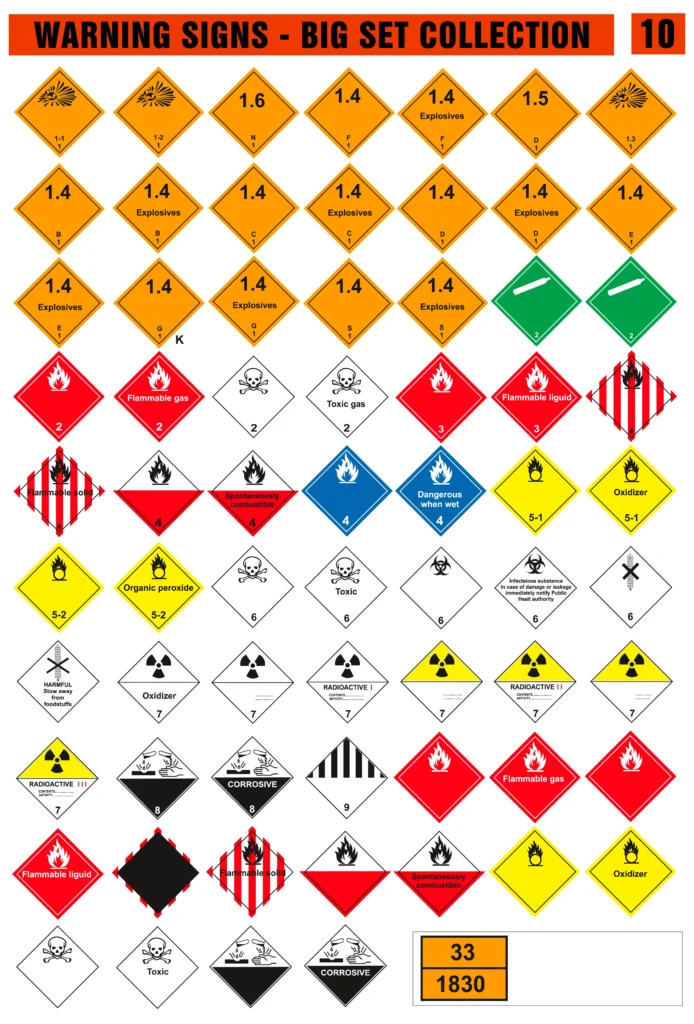
Which Types of Dangerous Goods Are Covered Under ADR?
The ADR (European Agreement concerning the International Carriage of Dangerous Goods by Road) classifies dangerous goods into 9 classes, each representing a broad category of hazardous substances and articles. This classification system forms the backbone of the ADR dangerous goods regulation, providing a clear and organised dangerous goods list that guides the carriage of dangerous goods by road in European countries including the United Kingdom.
The 9 classes of dangerous goods are:
- Class 1: Explosives
- Class 2: Gases (flammable, non-flammable, toxic)
- Class 3: Flammable liquids
- Class 4: Flammable solids, substances liable to spontaneous combustion, and substances which, on contact with water, emit flammable gases
- Class 5: Oxidising substances and organic peroxides
- Class 6: Toxic substances and infectious substances
- Class 7: Radioactive material
- Class 8: Corrosive substances
- Class 9: Miscellaneous dangerous substances and articles
Class 9 dangerous goods include items that pose various risks during transport but do not fit neatly into the other classes. This class 9 miscellaneous dangerous goods category is quite broad, covering materials such as environmentally hazardous substances, lithium batteries, and other hazardous goods not otherwise specified.
Awareness of these ADR classes is crucial for all involved in the transport and handling of hazardous materials. ADR awareness training and ADR courses (available online and in person, including ADR courses near me) provide essential education on the safe carriage of dangerous goods, including how to interpret ADR labels, handle ADR tanks and vehicles, and comply with ADR regulations UK and Europe-wide. Holding an ADR certificate or ADR card is mandatory for drivers transporting classified goods, with specific requirements varying by ADR class.
In summary, the ADR classification into 9 classes covers a comprehensive range of hazardous goods ADR, ensuring safety and regulatory compliance during international and domestic road transport.
Who Must Comply with ADR Regulations?
Compliance with ADR regulations is mandatory for all parties involved in the carriage of dangerous goods by road. This includes ADR drivers, consignors, carriers, and any organisation responsible for the transport operation of hazardous goods ADR. The scope covers not only the vehicles used but also the handling, packaging, and documentation of the goods in accordance with the ADR’s safety and regulatory framework.
Central to compliance are ADR drivers who must possess an ADR driver training certificate. This certificate confirms that the driver has successfully completed ADR driver training, which covers all essential safety measures, handling procedures, and legal requirements for transporting dangerous goods. Drivers must regularly update their knowledge through ADR refresher training to maintain valid certification and ensure adherence to evolving regulations. Finding suitable ADR training courses or ADR training near me is important for individuals aiming to become qualified.
Another key role is the Dangerous Goods Safety Advisor (DGSA). This expert is appointed to oversee compliance with ADR regulations within an organisation. A Dangerous Goods Safety Advisor course equips candidates with in-depth knowledge of ADR standards and the ability to advise on safe transport practices. The demand for dangerous goods safety advisor jobs continues to grow as businesses seek to maintain safety and legal conformity. Organisations must ensure they have a qualified DGSA and properly trained ADR drivers to comply fully with the ADR regulations UK and international laws.
Compliance with ADR regulations applies to drivers, safety advisors, and all parties responsible for transporting hazardous goods, requiring recognised ADR training courses and certifications to maintain road safety standards. Additionally, companies involved in packaging, labelling, loading, and unloading dangerous substances must adhere to both UK and international ADR regulations. This includes managing ADR tanks and large packaging, ensuring all containers meet approval standards and that the special provisions outlined in Annexes A and B of the ADR treaty are strictly followed.


How Does ADR Apply Across International Borders?
The ADR regulates the carriage of dangerous goods by road across international borders among its contracting parties, primarily European countries including the United Kingdom. Its purpose is to harmonise safety standards and procedures to ensure consistent and secure transport of dangerous goods during international transportation.
When transporting dangerous goods across borders, the following points are essential:
- ADR transport dangerous goods regulations ensure vehicles, packaging, and documentation comply with unified rules to reduce risks during cross-border transportation of dangerous goods.
- The ADR carriage of dangerous goods aligns with other international regulations such as the International Maritime Dangerous Goods Code (IMDG) for international maritime dangerous goods, governing sea transport of hazardous materials.
- Similarly, International Air Transport Association Dangerous Goods Regulations (IATA dangerous goods regulations) apply to air transport, complementing ADR by covering international air transport of hazardous substances.
- Transport operators must be aware of and comply with these different regulatory frameworks to ensure legal and safe handling during transport dangerous goods by road, sea, or air.
- This harmonisation facilitates smooth customs clearance, risk management, and emergency response across jurisdictions.
ADR is a key element of a global system regulating hazardous materials transport, working alongside IATA regulations for dangerous goods and international maritime dangerous goods codes to secure safe, cross-border movement of dangerous goods.
How Is the ADR Treaty Structured?
The ADR Treaty is a detailed international agreement developed under the UNECE regulations to govern the carriage of dangerous goods by road in European countries, including the United Kingdom. It is structured to provide clear, comprehensive rules and standards that all contracting parties must follow to ensure safe and consistent ADR transport of dangerous goods.
The treaty is divided into two main parts, Annex A and Annex B, which form the core of the ADR regulations:
- Annex A contains the technical provisions related to the classification, packaging, marking, and labelling of hazardous goods. It details the ADR categories and ADR classes (covering ADR classes 1 to 9), including specifics for ADR class 1 (explosives), ADR class 2 (gases), ADR class 3 (flammable liquids), and so on, up to ADR class 9 (miscellaneous dangerous substances). It also outlines requirements for ADR tanks, large packaging, and vehicle specifications.
- Annex B outlines the administrative and operational provisions such as ADR driver training, certification, and the responsibilities of competent authorities. It includes rules for ADR awareness courses, ADR certificates, and ADR driver training certificates, ensuring that all vehicle crews and handlers are qualified and informed.
The ADR Treaty also includes special provisions, instructions in writing, and exemptions such as limited quantities and ADR packages designed to balance safety with practical transport needs.
To comply, companies and drivers often undertake ADR courses online or in person, including ADR refresher courses. They also use tools like ADR checkers to verify compliance. Understanding the structure helps clarify the scope of the ADR regulations UK and its counterparts across Europe, ensuring effective implementation of the treaty’s safety standards.


What Are the Two Main Parts of the ADR Framework?
The ADR framework is primarily divided into two key components: Annex A and Annex B. These annexes form the foundation of the regulations governing the safe carriage of dangerous goods by road across European countries, including the United Kingdom.
Annex A contains the detailed technical provisions. It covers the classification of hazardous materials into the recognised ADR classes, such as flammable liquids, gases, explosives, corrosives, and miscellaneous dangerous substances. This annex specifies requirements for packaging, labelling, and marking of goods, as well as standards for containers, large packaging, and tanks used during transport. It also includes special provisions and safety guidelines to mitigate risks during the transportation of dangerous goods.
Annex B focuses on the administrative and operational aspects. It outlines the responsibilities of parties involved in the ADR transport dangerous goods process, including requirements for driver training and certification, documentation, and emergency procedures. This annex ensures that all vehicle crews and operators maintain the necessary qualifications and adhere to safety protocols.
Together, these two parts provide a comprehensive legal and practical framework that supports safe, standardised transport of dangerous goods on roads within and between contracting countries.
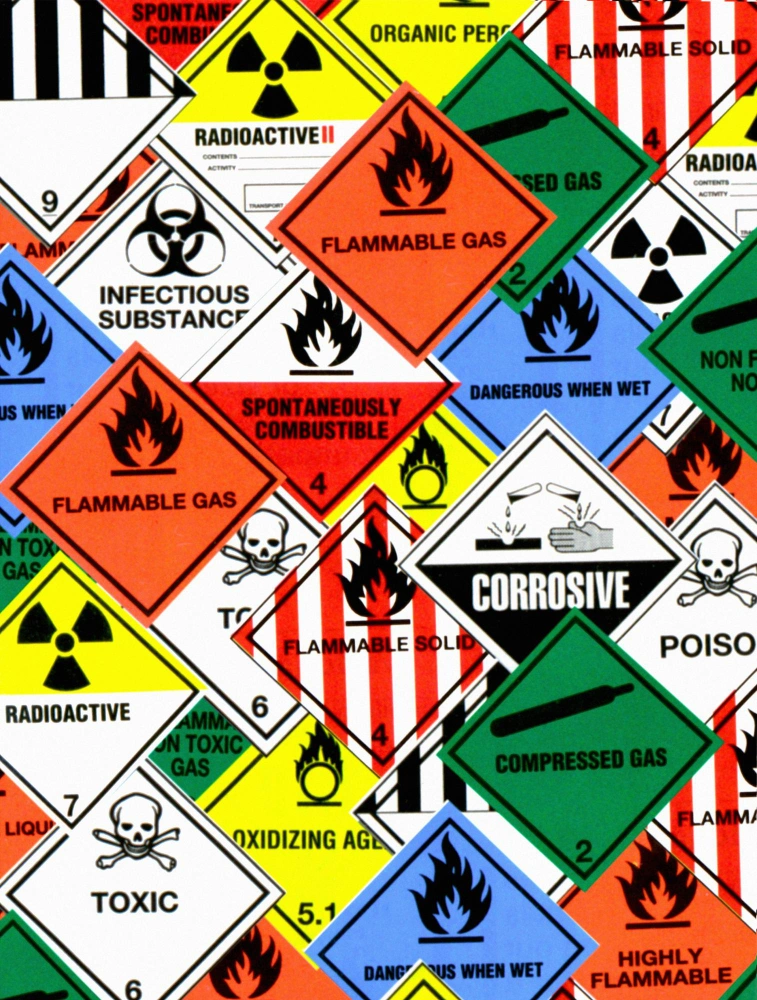
How Is the Classification System for Dangerous Goods Organised?
The classification system for dangerous goods under the ADR regulations organises hazardous materials into clearly defined ADR classes to ensure safe and standardised handling during transportation of dangerous goods. This system, also known as dangerous goods classification, divides substances into categories based on their inherent risks.
The main features of the ADR classification system include:
- ADR categories or ADR classes group dangerous goods by type of hazard, such as flammability, toxicity, or corrosiveness.
- There are 9 ADR classes, each representing a specific hazard type:
- Class 1: Explosives
- Class 2: Gases
- Class 3: Flammable liquids
- Class 4: Flammable solids and reactive substances
- Class 5: Oxidising substances and organic peroxides
- Class 6: Toxic and infectious substances
- Class 7: Radioactive material
- Class 8: Corrosive substances
- Class 9: Miscellaneous dangerous substances and articles
- Each ADR category includes detailed criteria for identifying and labelling goods. This facilitates risk assessment and determines packaging, documentation, and transport requirements.
This dangerous goods classification system is essential for safe ADR transport dangerous goods operations, helping consignors, carriers, and drivers to manage risks and comply with regulatory obligations efficiently.
What Are the Key Annexes in the ADR Agreement?
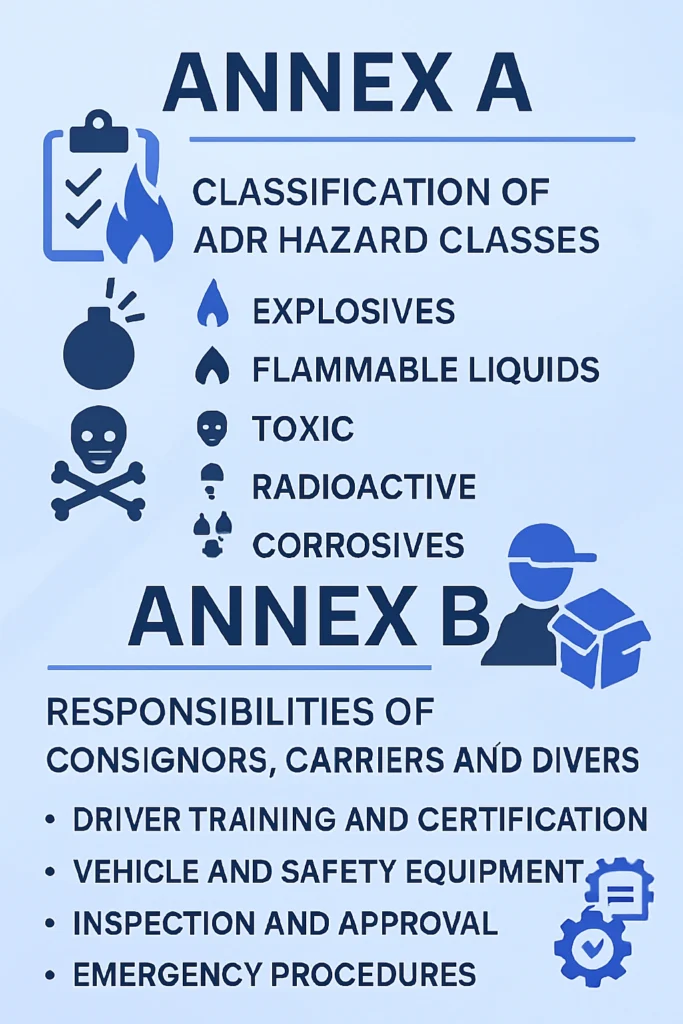
The ADR agreement is supported by two essential annexes that form the backbone of its regulatory framework: Annex A and Annex B. These annexes detail the technical and administrative requirements necessary for the safe carriage of dangerous goods by road.
- Annex A focuses on the technical regulations. It covers the classification of hazardous materials into the various ADR classes and sets out requirements for packaging, labelling, and marking of dangerous goods. It also includes rules concerning containers, large packaging, and tanks, as well as special provisions and safety standards that must be observed during transportation.
- Annex B outlines the administrative and operational provisions. This includes the responsibilities of consignors, carriers, and vehicle crews, as well as rules for ADR driver training, certification, and documentation. Annex B ensures that all parties involved comply with safety protocols and legal obligations throughout the transport of dangerous goods.
Together, these annexes provide a comprehensive system for managing hazardous materials safely and efficiently on European roads, harmonising regulations across all contracting parties.
What Are the Latest Changes in the Current ADR Edition?
The latest edition of the ADR regulations includes several important updates aimed at enhancing safety and aligning with technological and regulatory developments in the carriage of dangerous goods. These changes reflect ongoing efforts by the United Nations Economic Commission for Europe (UNECE) to maintain effective, harmonised standards for ADR transport of dangerous goods across European countries, including the United Kingdom.
Key updates in the current edition include:
- Revised classification criteria for certain substances, affecting ADR classes such as flammable liquids and gases to better reflect new scientific data.
- Updates to packaging and labelling requirements, incorporating clearer guidance on ADR labels, packaging types, and large packaging standards to improve hazard communication.
- Enhanced provisions for ADR tanks and vehicle construction, increasing safety in the transport of bulk hazardous materials.
- Modifications to driver training and certification processes, including expanded ADR awareness training modules and updated exam content to reflect regulatory changes.
- Adjustments to special provisions in Annex A and B, including exemptions for certain low-risk goods and refined procedures for emergency response documentation.
- Introduction of digital tools to assist compliance, such as improved ADR checkers and electronic documentation options.
These updates aim to reduce risks during the transportation of dangerous goods, ensure better regulatory compliance, and support the evolving logistics landscape. Transport operators, consignors, and drivers must stay informed and complete appropriate ADR courses to remain compliant with the latest ADR regulations UK and international standards.


What Is New in the 2025 ADR Edition?
The 2025 ADR edition introduces important updates to enhance the safe carriage of dangerous goods by road across European countries, including the United Kingdom. Building on recent revisions, the 2025 edition revises classification criteria, especially for substances in ADR class 9 miscellaneous dangerous goods such as lithium batteries, reflecting their increasing use and associated risks. Packaging and labelling rules have been clarified and expanded, including stricter requirements for large packaging and ADR tanks. Vehicle standards have been enhanced to improve safety during bulk transport of hazardous materials.
This edition also updates special provisions in Annexes A and B, offering clearer guidance on exemptions and emergency response documentation. To support compliance, digital tools such as improved ADR checkers have been introduced.
The 2023 update tightened lithium battery rules, and the 2021 edition strengthened ADR tank requirements with new pressure relief mandates. The 2025 changes continue this progression, ensuring the regulatory framework remains aligned with evolving scientific knowledge and technological advances.
How Are Transitional Measures Handled Between ADR Editions?
Transitional measures between ADR editions allow stakeholders to adapt smoothly to regulatory changes. Typically, a grace period often up to one year after the new edition’s entry into force—permits the continued application of the previous rules. This enables transport operators and drivers to complete any outstanding ADR courses, update ADR driver training certificates, and renew ADR cards under former requirements.
During this period, gradual implementation of new packaging, labelling, and vehicle standards avoids operational disruptions. For example, following the 2023 edition, drivers and companies were given time to adjust to lithium battery handling changes and ADR tank enhancements introduced in 2021.
Authorities encourage early adoption of new provisions while maintaining legal certainty and operational flexibility. This balanced approach helps maintain continuous safety and compliance during the transition.


How Often Is ADR Updated and Published?
The ADR treaty is revised and published every two years by the United Nations Economic Commission for Europe (UNECE). (“https://unece.org/transport/road-transport/about-adr”).
This biennial update cycle allows the inclusion of the latest scientific research, technological progress, and practical experience in hazardous goods transport.
Regular updates harmonise ADR with complementary international regulations such as the International Maritime Dangerous Goods Code (IMDG) and IATA Dangerous Goods Regulations, supporting consistent safety standards across transport modes.
The update cycle also allows for ongoing improvements in ADR driver training and awareness courses, reflected in revised exam content, expanded training modules, and updated certification requirements. For instance, the 2025 edition introduces new training content on revised classifications and packaging rules, with accredited courses and mock exams reflecting these changes.
This timetable strikes a balance between regulatory stability and adaptability, ensuring that ADR regulations UK and those across Europe remain relevant, effective, and legally sound.
How Are ADR Compliance and Enforcement Monitored?
ADR compliance is monitored by national competent authorities through regular inspections of vehicles, documentation, and packaging involved in the carriage of dangerous goods. Authorities check for adherence to ADR regulations, including vehicle standards, driver qualifications, and correct labelling. Enforcement also involves roadside checks and audits of transport companies. Non-compliance can lead to penalties, fines, or operational restrictions. Digital tools like ADR checkers assist in monitoring compliance, while reporting systems help identify risks and improve safety in the transport of dangerous goods.


What Documentation Is Required for ADR Transport?
Transporting dangerous goods under ADR requires several key documents. These include the transport document describing the goods’ classification and packaging, instructions in writing for the driver outlining emergency measures, and valid ADR certificates and driver training cards. Vehicle and packaging approvals must also be documented. Proper labelling and marking information accompanies the cargo to ensure hazards are clear. Maintaining complete and accurate documentation is essential for legal compliance and safe handling during ADR transport dangerous goods operations.
What Are the Penalties for Non-Compliance with ADR?
Failure to comply with ADR regulations can result in significant penalties including fines, licence suspensions, or even criminal charges depending on the severity of the breach. Non-compliance risks compromising safety during the transportation of dangerous goods, which authorities treat seriously. Companies and drivers may face operational bans or increased inspections. Insurance and liability issues can also arise. These penalties reinforce the importance of following ADR regulations UK and maintaining proper training, documentation, and vehicle standards throughout hazardous goods transport.


What Training Is Required for Personnel Under ADR?
Personnel involved in the ADR carriage of dangerous goods must complete mandatory training aligned with their roles. Drivers require ADR driver training certificates covering the classification, packaging, handling, and emergency response for hazardous materials. Regular ADR refresher courses maintain awareness of regulatory updates. Other staff, such as consignors and loaders, must undertake appropriate ADR awareness training to understand safety obligations. Certification ensures everyone involved complies with the treaty, minimising risks during the transport dangerous goods process and supporting overall road safety.
Why Is Vehicle Equipment and Certification Important in ADR Transport?
Proper vehicle equipment and certification are essential in ADR transport to ensure safety and regulatory compliance during the carriage of dangerous goods. Certified vehicles meet strict standards for containment, hazard control, and emergency response, reducing risks of leaks, spills, or accidents. Certification verifies that vehicles have the necessary safety features and are fit for purpose, providing legal proof to authorities. This protects the driver, public, and environment, supporting effective enforcement of ADR regulations and maintaining trust across international transport dangerous goods operations.

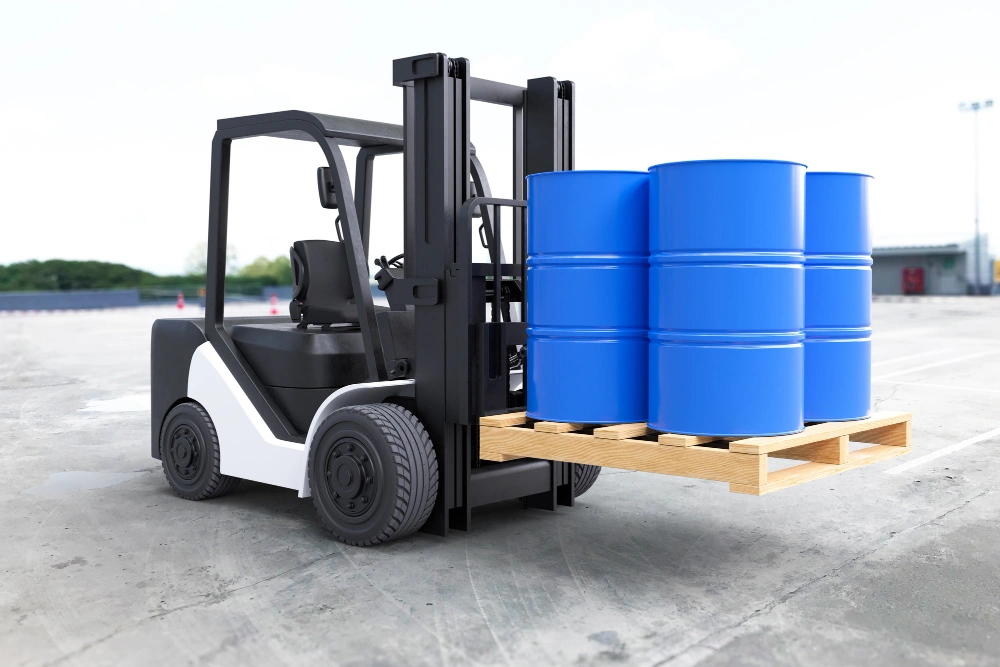
What Vehicle Features Are Required for ADR Transport?
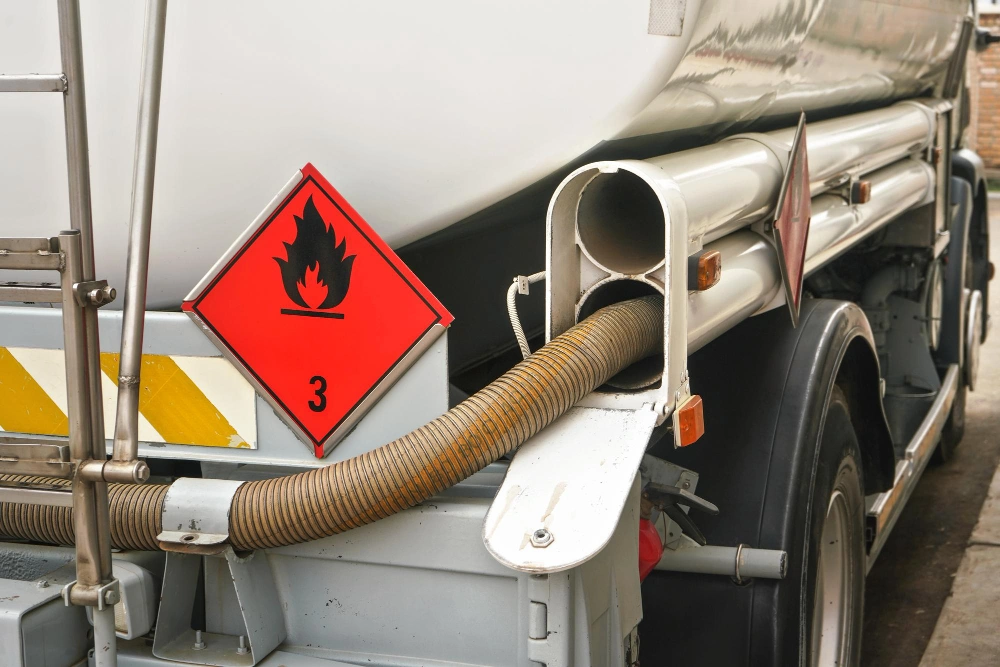
Vehicles used for ADR transport must include specific safety features such as fire extinguishers, warning signs, and proper ventilation. Tanks, containers, and packaging must be compatible with the goods carried, often requiring pressure relief devices or secure locking mechanisms. Vehicles must display appropriate ADR labels and placards indicating the class of hazardous materials onboard. Additionally, features like anti-lock braking systems and spill containment equipment support safe handling. These requirements ensure hazards are controlled, enabling safe movement of dangerous goods by road.
How Does Vehicle Inspection Support ADR Compliance?
Regular vehicle inspections verify that ADR transport vehicles maintain required safety standards, such as integrity of tanks, seals, and safety devices. Inspections identify wear, damage, or faults that could lead to hazardous leaks or accidents during transport dangerous goods. Competent authorities conduct these checks to ensure compliance with ADR regulations UK and international standards. Thorough inspections support operational safety, helping prevent incidents, and providing documented evidence of compliance in case of audits or enforcement actions.

What Is the Role of Certificates of Approval for ADR Vehicles?
Certificates of approval confirm that vehicles meet the technical and safety requirements outlined in the ADR framework. Issued by competent authorities, these certificates validate that tanks, containers, and vehicle modifications conform to standards necessary for carrying specific hazardous substances. They are essential for legal operation and prove that the vehicle is authorised for ADR transport of dangerous goods. Certificates help ensure consistent safety across international borders and facilitate enforcement by providing clear documentation of vehicle compliance.
How Does ADR Interact with Other Transport Regulations?
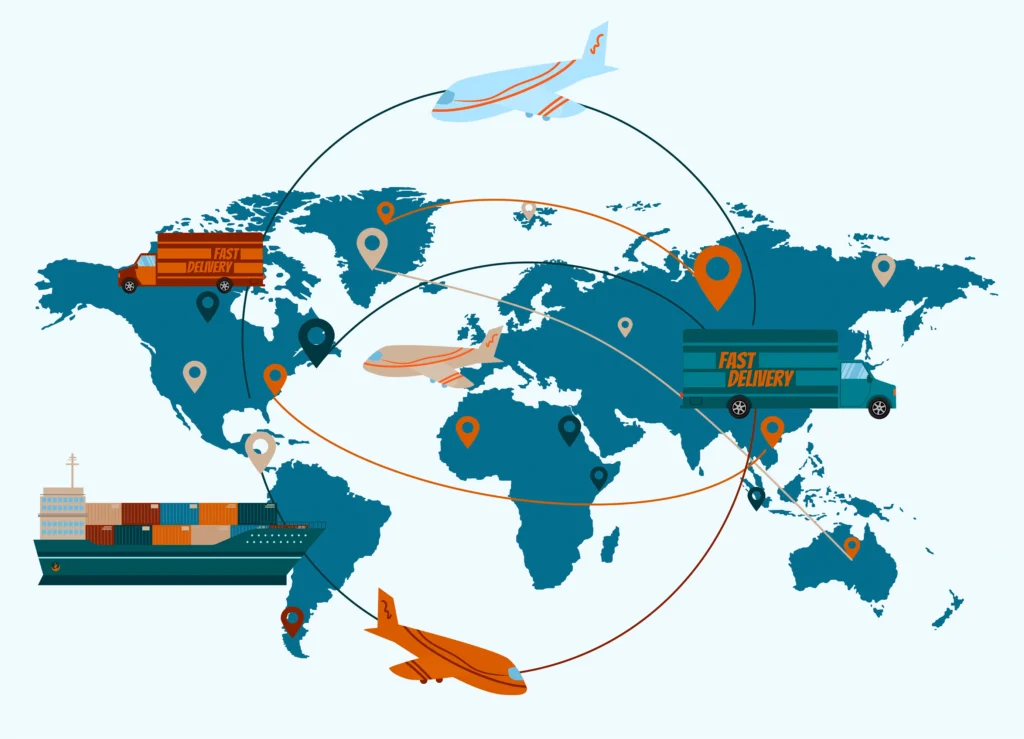
The ADR interacts closely with other international transport regulations to ensure consistent safety standards for dangerous goods. It aligns with the International Maritime Dangerous Goods Code (IMDG) for sea transport, the Regulations concerning the International Carriage of Dangerous Goods by Rail (RID), and the ICAO/IATA Dangerous Goods Regulations for air transport. This coordination harmonises classification, packaging, and labelling rules across transport modes, facilitating safe and efficient multimodal transport while ensuring legal compliance across borders.

What Is the Relationship Between ADR and IMDG, RID, and ICAO/IATA?
ADR, IMDG, RID, and ICAO/IATA regulations form a comprehensive framework covering road, sea, rail, and air transport of hazardous materials. Each regulation addresses mode-specific safety challenges but shares common classification and hazard communication standards. This relationship allows seamless transition of dangerous goods between modes while maintaining consistent safety protocols. For example, goods classified under ADR classes maintain similar labels and packaging requirements under IMDG and IATA, supporting global hazardous materials management.
Can a Shipment Fall Under Multiple Regulatory Frameworks?
Yes, shipments can fall under multiple regulatory frameworks during multimodal transport involving road, sea, rail, or air. A consignment might begin under ADR regulations for road transport, switch to IMDG for maritime shipping, then continue by rail under RID. Each segment must comply with its relevant regulations, and all documentation, packaging, and labelling must meet the strictest applicable standards. This ensures continuous safety and legal compliance throughout the shipment’s journey.


How Is Multimodal Transport of Dangerous Goods Managed?
Multimodal transport of dangerous goods is managed through harmonised regulations and coordinated procedures. Operators use integrated documentation that covers all applicable regulations ADR for road, IMDG for sea, and IATA or ICAO for air transport. Coordination between carriers and authorities ensures that packaging, handling, and emergency response measures meet the requirements of each mode. Training and certification for personnel also reflect the complexities of multimodal operations, helping maintain safety and compliance from origin to destination.